Sending a heartfelt card is a timeless tradition, but in today's fast-paced world, the convenience of sending a card online has become increasingly appealing. Whether you're celebrating a birthday, anniversary, or simply want to let someone know you're thinking of them, sending a card online is a quick, easy, and often more personalized way to connect. This comprehensive guide will walk you through everything you need to know about sending cards online, from choosing the right platform to crafting the perfect message.
What It Is: Sending a Card Online Defined
Sending a card online encompasses a variety of methods for delivering a greeting electronically. It goes beyond a simple text message or email by incorporating visually appealing designs, animations, and personalization options. This can include:
- Digital Greeting Cards: These are electronic versions of traditional paper cards, often featuring static or animated designs.
- Ecards: Similar to digital greeting cards, ecards are typically sent via email and can include interactive elements like music, videos, and animations.
- Video Greeting Cards: A more modern approach that involves embedding a personalized video message into a digital card.
- Printable Cards: Digital templates that you can download, customize, and print at home.
The key difference between sending a card online and sending a simple message is the level of effort and personalization involved. Online cards allow you to express your sentiments in a more creative and meaningful way.
Why It Matters: The Benefits of Sending Cards Online
In a world saturated with digital communication, sending a card online might seem like a small gesture, but it can have a significant impact. Here are some key reasons why it matters:
- Convenience and Speed: Sending a card online is incredibly convenient. You can create and send a card in minutes, regardless of your location or the recipient's. This is especially useful for last-minute occasions or when you're short on time.
- Cost-Effectiveness: Online cards can often be more affordable than traditional paper cards, especially when you factor in the cost of postage. Many platforms offer free options or subscription services with unlimited access to a wide range of designs.
- Personalization: Online platforms offer extensive personalization options, allowing you to tailor your card to the recipient's specific interests and preferences. You can add custom messages, photos, videos, and even interactive elements.
- Environmental Friendliness: Sending a card online is a more sustainable option than sending a paper card. It reduces paper waste and eliminates the carbon footprint associated with transportation.
- Global Reach: With online cards, you can easily send greetings to loved ones anywhere in the world, without worrying about international postage rates or delivery times.
- Lasting Impact: A well-designed and personalized online card can create a lasting impression. The recipient can save the card digitally and revisit it whenever they want to relive the moment.
- Variety and Choice: Online platforms offer a vast selection of card designs, catering to every occasion and personal style. You can find everything from classic and elegant designs to fun and quirky animations.
How to Send a Card Online: A Step-by-Step Guide
Sending a card online is a straightforward process. Here's a step-by-step guide to help you get started:
1. Choose a Platform
The first step is to select a platform or service for sending your card. There are numerous options available, each with its own strengths and weaknesses. Some popular choices include:
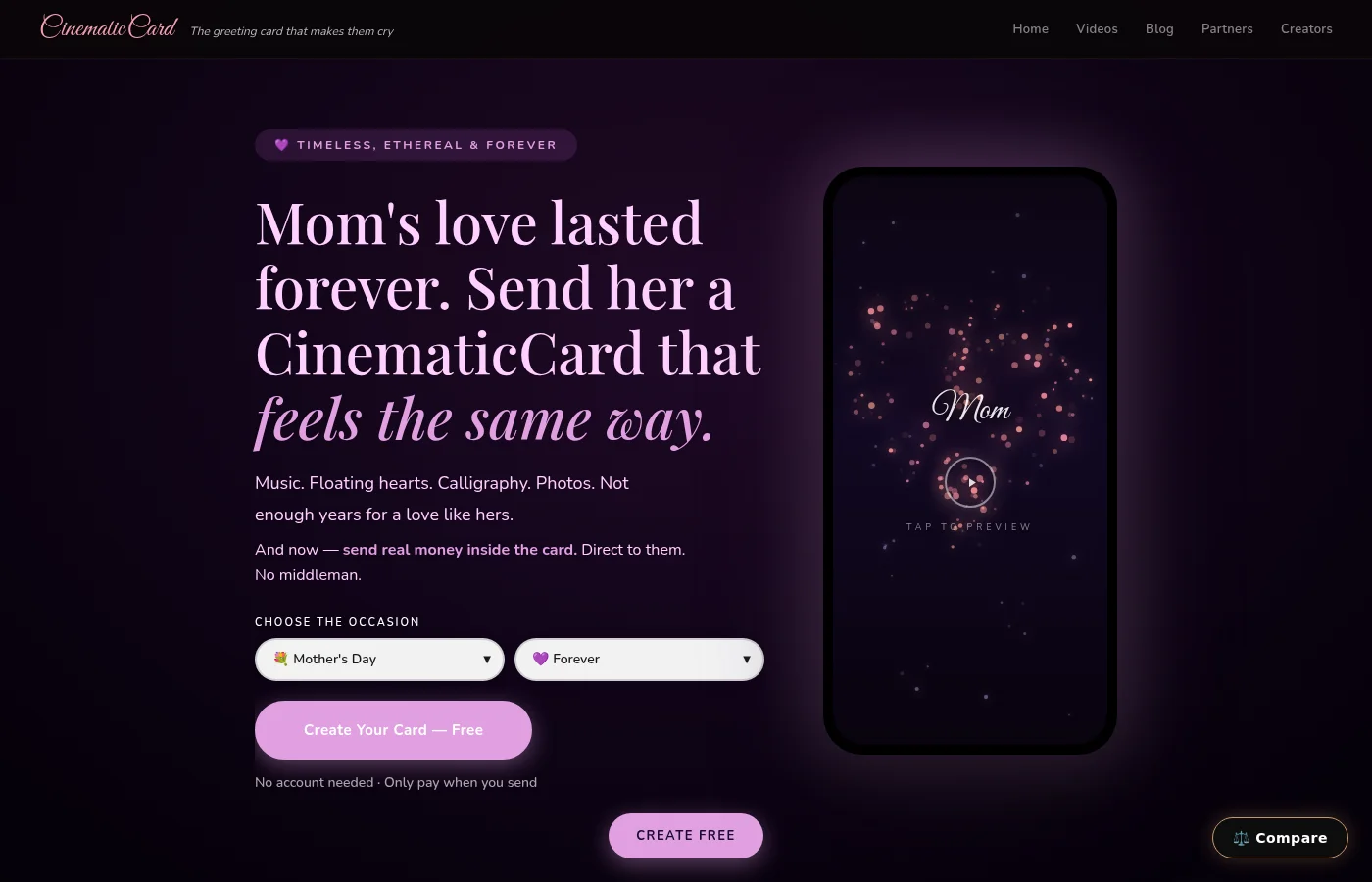
- CinematicCard: Offers stunning video greeting cards with a focus on personalized experiences. Ideal for creating memorable and impactful greetings.
- Punchbowl: Provides a wide range of digital greeting cards and online invitations, with options for customizing designs and adding personal messages.
- Evite: Primarily known for online invitations, Evite also offers a selection of digital greeting cards for various occasions.
- JibJab: Specializes in humorous ecards and videos that allow you to insert faces into funny scenarios.
- American Greetings: A well-established brand that offers both traditional paper cards and digital greeting cards.
- Blue Mountain: Known for its sentimental and heartfelt ecards, often featuring animation and music.
- Canva: A versatile design platform that allows you to create custom greeting cards from scratch or using pre-designed templates.
- Smilebox: Offers a range of customizable templates for creating photo collages, slideshows, and greeting cards.
When choosing a platform, consider the following factors:

- Card Selection: Does the platform offer a variety of designs that match your style and the occasion?
- Personalization Options: Can you easily customize the card with your own message, photos, and videos?
- Pricing: What is the cost of sending a card? Are there any subscription options available?
- Ease of Use: Is the platform user-friendly and easy to navigate?
- Delivery Options: How will the card be delivered to the recipient? (e.g., email, text message, link)
- Features: Does the platform offer any unique features, such as video integration or interactive elements?
2. Select a Card Design
Once you've chosen a platform, browse through the available card designs and select one that resonates with you and the recipient. Consider the following when making your selection:
- Occasion: Choose a design that is appropriate for the occasion. For example, a birthday card should be festive and cheerful, while a sympathy card should be more somber and respectful.
- Recipient's Style: Consider the recipient's personal taste and preferences. Do they prefer classic and elegant designs, or something more modern and playful?
- Color Palette: Pay attention to the colors used in the design. Choose colors that are visually appealing and evoke the desired emotions.
- Imagery: Select a card with imagery that is relevant to the occasion and the recipient's interests. This could include photos, illustrations, or abstract designs.
- Message: Some card designs include pre-written messages. If you like the message, you can use it as is or customize it to make it more personal.
3. Personalize Your Card
This is where you can truly make your card special. Most platforms offer a range of personalization options, allowing you to add your own unique touch. Here are some common ways to personalize your card:
- Add a Custom Message: Write a heartfelt message that expresses your sentiments in your own words. Be genuine and sincere, and let the recipient know how much you care.
- Include Photos: Upload photos of yourself, the recipient, or a shared memory. This can add a personal touch and make the card more meaningful.
- Record a Video Message: Some platforms, like CinematicCard, allow you to record a video message directly within the card. This is a great way to add a personal touch and make the recipient feel truly special.
- Choose a Font and Color: Select a font and color that complements the card design and reflects your personal style.
- Add Stickers or Emoticons: Use stickers or emoticons to add a touch of fun and personality to your card.
- Customize the Layout: Some platforms allow you to customize the layout of the card, rearranging elements and adding text boxes.
4. Review and Proofread
Before sending your card, take a moment to review and proofread it carefully. Check for any typos, grammatical errors, or formatting issues. Make sure that your message is clear, concise, and conveys the intended sentiment.
It's also a good idea to double-check the recipient's email address or phone number to ensure that the card is delivered to the correct person.
5. Send Your Card
Once you're satisfied with your card, it's time to send it! Most platforms offer a variety of delivery options, including:
- Email: The most common method for sending online cards. The recipient will receive an email with a link to view the card.
- Text Message: Some platforms allow you to send cards via text message. This is a convenient option for recipients who prefer to receive messages on their mobile phones.
- Social Media: You can also share your card on social media platforms like Facebook or Twitter. However, be mindful of the recipient's privacy and only share the card if you're sure they'll be comfortable with it being public.
- Link Sharing: Some platforms allow you to generate a unique link to your card that you can share via any messaging app or platform.
Choose the delivery option that is most convenient for you and the recipient. Once you've sent the card, you may receive a confirmation email or notification.
Tips for Creating the Perfect Online Card
To make your online card truly stand out, consider these tips:
- Be Authentic: Write from the heart and express your genuine feelings. Avoid generic phrases or clichés.
- Personalize It: Tailor the card to the recipient's specific interests and preferences.
- Add a Photo or Video: Visual elements can make your card more engaging and memorable.
- Choose the Right Platform: Select a platform that offers the features and designs you need.
- Proofread Carefully: Ensure that your message is free of errors.
- Consider the Timing: Send your card in advance of the occasion, but not too early.
- Follow Up: If you don't hear back from the recipient, consider following up to make sure they received the card and to reiterate your well wishes.
- Think About the Overall Experience: From the design of the card to the delivery method, consider the overall experience for the recipient. Make it enjoyable and memorable.
- Use High-Quality Images: If you're adding photos, make sure they are high-resolution and well-lit.
- Keep it Concise: While it's important to be heartfelt, avoid writing a message that is too long or rambling. Get to the point and express your sentiments clearly.
- Reference Shared Memories: Mentioning a specific memory or inside joke can make your card more personal and meaningful.
- Consider Accessibility: If you're sending a card to someone with a visual impairment, make sure the text is large and easy to read. You can also add alt text to images to make them accessible to screen readers.
Consider sending a Just Because Cards — Send a Digital Card for No Reason to someone who could use a pick-me-up.
Choosing the Right Platform: A Deeper Dive
Selecting the right platform for sending your card online is crucial for ensuring a positive experience for both you and the recipient. Here's a more detailed look at some key considerations:

Free vs. Paid Platforms
Many platforms offer both free and paid options. Free platforms typically offer a limited selection of card designs and may include watermarks or advertisements. Paid platforms, on the other hand, usually offer a wider range of designs, more customization options, and an ad-free experience.
Consider your budget and the frequency with which you plan to send cards. If you only send cards occasionally, a free platform might suffice. However, if you send cards frequently or want access to more advanced features, a paid platform might be a better investment.
Features and Customization Options
The features and customization options offered by a platform can significantly impact the quality and personalization of your card. Look for platforms that offer:
- Customizable Templates: The ability to modify pre-designed templates to suit your specific needs.
- Photo and Video Integration: The option to add your own photos and videos to your card.
- Font and Color Choices: A variety of fonts and colors to choose from, allowing you to personalize the text.
- Layout Options: The ability to rearrange elements and customize the layout of the card.
- Interactive Elements: Features like animations, music, and quizzes that can make your card more engaging.
User Interface and Ease of Use
A user-friendly interface is essential for a smooth and enjoyable card-creation experience. Look for platforms that are easy to navigate, with clear instructions and intuitive tools. Avoid platforms that are cluttered, confusing, or difficult to use.
Delivery Options and Tracking
Consider the delivery options offered by the platform. Can you send cards via email, text message, or social media? Does the platform offer tracking features that allow you to see when the recipient has viewed the card?
Customer Support
If you encounter any issues while creating or sending your card, it's important to have access to reliable customer support. Look for platforms that offer a variety of support channels, such as email, phone, or live chat.
Beyond the Basics: Advanced Card-Sending Techniques
Once you've mastered the basics of sending cards online, you can explore some advanced techniques to create even more impactful and memorable greetings:
- Create a Series of Cards: Instead of sending just one card, consider creating a series of cards that tell a story or convey a message over time. This can be a great way to build anticipation and excitement for a special occasion.
- Incorporate Interactive Elements: Add interactive elements like quizzes, polls, or games to your card to make it more engaging and fun.
- Use Augmented Reality (AR): Some platforms offer AR features that allow you to overlay digital content onto the real world. This can be a unique and memorable way to send a card.
- Create a Personalized Website: For a truly unique and personalized experience, consider creating a simple website dedicated to the recipient. You can include photos, videos, messages, and other content that is tailored specifically to them.
- Collaborate with Others: Involve other friends and family members in the creation of your card. Ask them to contribute photos, videos, or messages to make it a truly collaborative effort.
Remember to check out our guides on Send Birthday Card Online: The Ultimate Guide for 2024, Your Complete Guide to Online Greeting Cards, Find the Perfect Birthday Cards Online: A Complete Guide, and Free Digital Greeting Cards: Your Ultimate Guide (2024) for more ideas.
FAQ: Common Questions About Sending Cards Online
Here are some frequently asked questions about sending cards online:
- Is it safe to send cards online? Yes, as long as you use a reputable platform and take basic security precautions, such as using a strong password and avoiding suspicious links.
- Can I send a card online anonymously? Some platforms offer the option to send cards anonymously. However, be mindful of the potential impact on the recipient.
- How much does it cost to send a card online? The cost of sending a card online varies depending on the platform and the features you choose. Some platforms offer free options, while others charge a fee per card or offer subscription plans.
- What if the recipient doesn't have an email address? Some platforms offer the option to send cards via text message or generate a link that you can share via any messaging app.
- How can I make sure the recipient sees my card? After sending the card, follow up with the recipient to make sure they received it. You can also ask them to confirm receipt.
- Are online cards as meaningful as paper cards? Online cards can be just as meaningful as paper cards, especially if you take the time to personalize them and express your genuine feelings.
Sending a card online is a convenient, cost-effective, and personalized way to connect with loved ones. By following the tips and guidelines in this guide, you can create stunning digital greetings that will make a lasting impression. Whether you choose a simple ecard or a sophisticated video greeting card from CinematicCard, the most important thing is to express your heartfelt sentiments and let the recipient know how much you care.